
 By
By LSU called on Tuesday. The AgCenter internship — I got it. Ten weeks, starting June 21, working with a research team studying the intersection of agricultural practices and wetland health in the Atchafalaya Basin. I sat in the kitchen with the phone in my hand for a full minute after the call ended, not moving. Then Mama walked in from the backyard and looked at my face and said, "Well?" and I said "I got it" and she made a sound that is not fully describable in language and pulled me into a hug that lasted a long time.
I called Daddy first, then MawMaw, then Priya, then Tanya. They each responded differently in ways that were exactly themselves. Daddy said he'd known since the science fair. MawMaw said, "Atchafalaya — that's your grandfather's water." Priya said, "AALIYAH" in all capitals, which is what she does when she's proud of me beyond words. Tanya said, "I'm going to write a poem about this." I told her to put me in the acknowledgments.
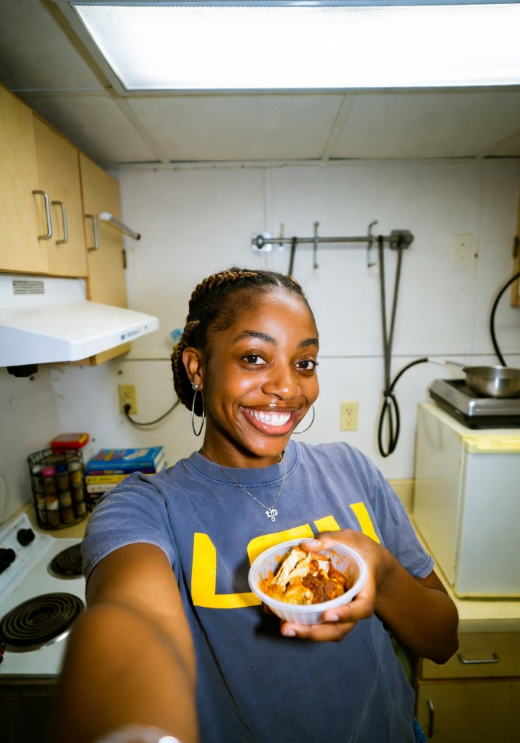
Mama made shrimp creole to celebrate — a dish she reserves for occasions she considers significant enough to deserve it. She doesn't make it often but when she does it fills the whole house for hours: the tomatoes breaking down, the trinity softening, the shrimp going in last, turning pink in the spiced sauce over the white rice. We ate at the good table, not the kitchen table, because she put a tablecloth on it, which is how I knew this was ceremonial dinner.
I've been reading about the Atchafalaya all week. About subsidence and sea level rise and the role of cypress wetlands in filtering agricultural runoff from the upper basin. About the communities that live on that water, that have always lived on that water, and the food they pull from it. I am going to learn so much. I feel it the way you feel a door opening into a room you didn't know was there.
Mama’s shrimp creole was the ceremonial meal — that was hers to make, and it was perfect. But a few days later, when I was still floating on the news and reading about the Atchafalaya Basin and all the life that moves through that water, I wanted to cook something myself that honored where I was headed. This parsley crusted cod felt right: simple, clean, rooted in the kind of coastal ingredient that reminds me why wetlands matter and why the work I’ll be doing this summer matters. MawMaw always said to respect what comes from the water, and cooking it carefully is one way of doing that.
Parsley Crusted Cod
Prep Time: 10 min | Cook Time: 15 min | Total Time: 25 min | Servings: 4
Ingredients
- 4 cod fillets (about 6 oz each)
- 1/2 cup fresh flat-leaf parsley, finely chopped
- 1/3 cup plain breadcrumbs
- 2 cloves garlic, minced
- 2 tablespoons olive oil, divided
- 1 tablespoon lemon zest
- 2 tablespoons fresh lemon juice
- 1/2 teaspoon kosher salt
- 1/4 teaspoon black pepper
- 1/4 teaspoon smoked paprika
- Lemon wedges, for serving
Instructions
- Preheat the oven. Heat oven to 400°F. Line a rimmed baking sheet with parchment paper and brush lightly with 1 tablespoon of the olive oil.
- Make the crust. In a small bowl, combine the chopped parsley, breadcrumbs, minced garlic, lemon zest, smoked paprika, salt, and pepper. Drizzle in the remaining tablespoon of olive oil and stir until the mixture holds together loosely.
- Prepare the fish. Pat the cod fillets dry with paper towels and place them on the prepared baking sheet. Drizzle the lemon juice evenly over each fillet.
- Apply the crust. Press the parsley-breadcrumb mixture firmly onto the top of each fillet, dividing it evenly, so it forms a compact herb crust.
- Bake. Transfer to the oven and bake for 12–15 minutes, until the crust is golden and the fish flakes easily with a fork at its thickest point. Do not overcook.
- Serve. Remove from the oven and let rest for 2 minutes. Plate with lemon wedges alongside roasted vegetables, rice, or a simple green salad.
Nutrition (per serving)
Calories: 265 | Protein: 34g | Fat: 9g | Carbs: 10g | Fiber: 1g | Sodium: 390mg