
← Back to Blog

Pasta Alla Norma — What It Means to Cook a Real Meal Again

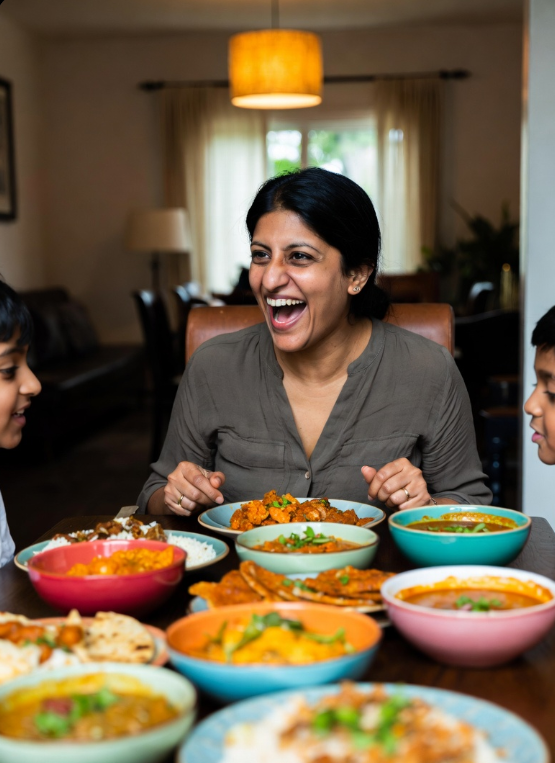
I cooked a real meal. A whole meal. From scratch, with spices and intention and the kind of focus that means I'm coming back to myself. Amma's vazhaipoo kootu — banana blossom curry. It's one of the most labor-intensive dishes in the Tamil repertoire: you have to peel the banana flower petal by petal, remove the tiny stamens, chop the tender inner parts, soak them in buttermilk to prevent browning, then cook them with moong dal, coconut, and a specific combination of spices that includes fennel (which gives it a slight sweetness that balances the earthy, metallic taste of the flower). It takes ninety minutes. It requires attention. It doesn't let you think about anything else. That's why I chose it. I needed ninety minutes of not thinking. Ninety minutes of my hands being busy and my brain being quiet. Ninety minutes of peeling and chopping and stirring instead of remembering and grieving and wondering. The banana blossom cooperated. The dal was creamy. The coconut paste was smooth. The tempering — mustard seeds, curry leaves, dried red chilies — crackled exactly right. And when I sat down to eat it with rice, I tasted Amma's kitchen. Not my kitchen — Amma's. The dish transported me to her stove, her hands, her authority. I called Amma after dinner. Not to tell her about the miscarriage — I'm not ready — but just to hear her voice. "I made vazhaipoo kootu today," I said. "Did you soak the flower in buttermilk?" "Yes, Amma." "Did you use the right ratio of fennel?" "Yes, Amma." "How was it?" "Close to yours." "'Close' is not good enough." But she said it gently. And I heard what she meant, which was: keep cooking. Keep trying. Keep making the food that connects you to who you are. Raj came home late from the hospital and found the kootu on the stove and the kitchen clean and me reading on the couch with chai, and he stopped in the doorway and said, "You cooked." "I cooked." He didn't say anything else. He didn't need to. He served himself a plate and ate and I listened to the sound of my husband eating food I'd made and it was the most ordinary, miraculous sound in the world.

On the days when cooking feels like the only thing keeping you tethered, you reach for a recipe that demands something from you — one that won’t let your mind wander. Pasta Alla Norma is that kind of dish: the eggplant needs salting and waiting and patience, the tomato sauce needs coaxing, and the whole thing only comes together if you’re actually paying attention. After an evening of peeling and stirring and finding my way back to my own kitchen, this is the recipe I want to share — not because it’s Amma’s, but because it carries the same spirit: simple ingredients, deliberate technique, and something that tastes like you earned it.

Pasta Alla Norma

Prep Time: 25 min | Cook Time: 30 min | Total Time: 55 min | Servings: 4

Ingredients

  • 12 oz rigatoni or penne pasta
  • 2 medium eggplants (about 2 lbs total), cut into 1-inch cubes
  • 1 tsp kosher salt, plus more to taste
  • 1/4 cup olive oil, divided
  • 4 cloves garlic, minced
  • 1 (28 oz) can crushed San Marzano tomatoes
  • 1 tsp dried oregano
  • 1/2 tsp red pepper flakes
  • 1/2 cup fresh basil leaves, torn
  • 3/4 cup ricotta salata, crumbled (or firm feta as a substitute)
  • Freshly ground black pepper, to taste

Instructions

  1. Salt the eggplant. Toss eggplant cubes with 1 tsp kosher salt in a colander and let sit for 20 minutes to draw out moisture. Pat thoroughly dry with paper towels — this step is what gives you golden, non-soggy eggplant.
  2. Sear the eggplant. Heat 3 tablespoons of the olive oil in a large, heavy skillet over medium-high heat. Add the eggplant in a single layer (work in two batches if needed) and cook without stirring for 3–4 minutes, then turn and cook another 4–5 minutes until deeply golden and tender throughout. Transfer to a plate and set aside.
  3. Build the sauce. Reduce heat to medium. Add the remaining 1 tablespoon olive oil to the same skillet. Add garlic and cook for 1 minute, stirring, until fragrant but not browned. Pour in the crushed tomatoes, then add oregano and red pepper flakes. Stir to combine and simmer uncovered for 15 minutes, stirring occasionally, until the sauce thickens slightly.
  4. Cook the pasta. While the sauce simmers, bring a large pot of heavily salted water to a boil. Cook pasta according to package directions until al dente. Before draining, reserve 1/2 cup of pasta cooking water.
  5. Combine. Fold the seared eggplant into the tomato sauce and stir gently to coat. Add the drained pasta and toss everything together over low heat, splashing in pasta water a little at a time to loosen the sauce to a consistency that clings to the noodles. Taste and adjust salt and pepper.
  6. Serve. Divide among bowls and finish generously with torn fresh basil and crumbled ricotta salata. Serve immediately while the cheese is still cool against the hot pasta.

Nutrition (per serving)

Calories: 490 | Protein: 16g | Fat: 15g | Carbs: 76g | Fiber: 9g | Sodium: 430mg

Priya Krishnamurthy
About the cook who shared this
Priya Krishnamurthy
Week 64 of Priya’s 30-year story · Edison, New Jersey
Priya is a pharmacist, wife, and mom of two in Edison, New Jersey — the town she grew up in, surrounded by the sights and smells of her mother's South Indian kitchen. These days, she splits her time between the hospital pharmacy, school pickups, and her own kitchen, where she cooks nearly every night. Her style is a blend of the Tamil recipes her mother taught her and the American comfort food her kids actually want to eat. She writes about the beautiful mess of balancing two cultures on one plate — and she wants you to know that ordering pizza is also an act of love.

How Would You Spin It?

Put your own twist on this recipe — what would you add, remove, or swap?