
 By
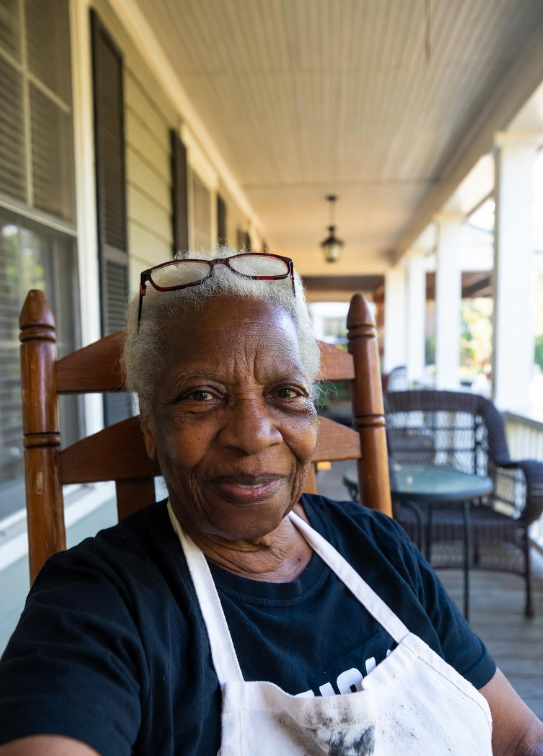
By The seedlings on the windowsill are growing. The tomato starts have their first true leaves — tiny, serrated, the pale green of new things — and the pepper seeds have sprouted, little pale stalks pushing up through the peat like they're in a hurry. I talk to them. I know that sounds eccentric. I am sixty-one years old and I talk to seedlings on my windowsill. I tell them about the garden they're going to live in. I tell them about the soil Earl and I have been building for thirty years. I tell them about the sun. If they understand, they don't say so, but they keep growing, which I take as encouragement.
Kayla came home this weekend. She had a four-day weekend from school and she spent three of those days here, which tells me she needed to come home. She looked tired. Not the good tired of working hard — the tired of carrying too much. Junior year of nursing school is no joke. She's doing clinicals now, twelve-hour shifts at the hospital on top of classes, and she came home Saturday morning and slept until noon, which she hasn't done since she was a teenager.
When she woke up, I fed her. That is my response to everything. You're tired? Eat. You're sad? Eat. You're stressed? Eat. It's not a sophisticated philosophy, but it works. I made her chicken and dumplings — the recipe we made together in October — and she ate two bowls and then she cried. Not about the food. About everything. About how hard school is and how she's not sure she's good enough and how she saw a patient die during her clinical and she didn't know what to do with the feeling.
I held her. I held my granddaughter — my dead son's daughter — in my kitchen and I let her cry, and I didn't say "it'll be okay" because I don't promise things I can't guarantee. What I said was, "Baby, you are good enough. You are more than enough. And the fact that you feel that patient's death means you are exactly the kind of nurse this world needs — the kind that remembers that every body on that bed is somebody's person." She cried harder. Then she ate more dumplings. Grief and dumplings. They go together better than you'd think.
She went back to school Sunday evening. I packed her a cooler: chicken and dumplings in a Tupperware, cornbread wrapped in foil, a jar of my canned tomatoes, and a bag of pecans. She hugged me at the door and said, "Thank you, Grandma. For everything." I said, "Go on, baby. Go learn how to save people." She drove away and I stood on the porch until her taillights disappeared, and then I went inside and I washed the dishes and I prayed. That's what I do. I feed, and then I pray.
Now go on and feed somebody.
The chicken and dumplings I made for Kayla are her recipe — ours, really — and I’ll share that one another day. But for the rest of you who need something warm and ready on a weeknight, something that says I see you and I’m feeding you without asking anything complicated of you in return, this pasta is what I reach for. Chicken, asparagus, garlic, tomatoes — things that taste like somebody cared enough to cook. Pack the leftovers in a Tupperware. Send them with someone you love.
Pasta, Chicken & Asparagus in Garlic Tomato Sauce
Prep Time: 15 minutes | Cook Time: 30 minutes | Total Time: 45 minutes | Servings: 4–6
Ingredients
- 1 lb penne or rigatoni pasta
- 1 1/4 lbs boneless, skinless chicken breast, cut into 1-inch pieces
- 1 bunch asparagus (about 1 lb), trimmed and cut into 1 1/2-inch pieces
- 5 cloves garlic, minced
- 1 can (28 oz) crushed tomatoes
- 1/2 cup low-sodium chicken broth
- 3 tablespoons olive oil, divided
- 1/2 teaspoon red pepper flakes
- 1/2 teaspoon dried oregano
- Salt and black pepper, to taste
- 1/4 cup fresh basil, torn, for serving
- Freshly grated Parmesan cheese, for serving
Instructions
- Cook the pasta. Bring a large pot of well-salted water to a boil. Cook pasta according to package directions until al dente. Before draining, reserve 1/2 cup of pasta cooking water. Drain and set aside.
- Season and sear the chicken. Pat chicken pieces dry and season generously with salt and pepper. Heat 2 tablespoons of olive oil in a large, deep skillet over medium-high heat. Add chicken in a single layer and cook, undisturbed, for 3–4 minutes until golden. Flip and cook another 2–3 minutes until cooked through. Transfer to a plate and set aside.
- Build the sauce. Reduce heat to medium. Add the remaining 1 tablespoon of olive oil to the skillet. Add garlic and red pepper flakes and sauté for about 1 minute, stirring frequently, until fragrant but not browned. Pour in the crushed tomatoes and chicken broth. Stir in the oregano. Bring to a simmer and cook for 10 minutes, stirring occasionally, until the sauce thickens slightly.
- Add the asparagus. Stir the asparagus pieces into the sauce. Cook for 4–5 minutes until just tender but still bright green. Taste and adjust salt and pepper.
- Combine everything. Return the cooked chicken and any accumulated juices to the skillet. Add the drained pasta and toss well to coat. If the sauce feels too thick, add reserved pasta water a splash at a time until it reaches a consistency you like.
- Serve. Divide among bowls or plates. Top with torn fresh basil and a generous shower of Parmesan. Serve immediately, or pack into containers — this reheats beautifully.
Nutrition (per serving)
Calories: 430 | Protein: 33g | Fat: 11g | Carbs: 49g | Fiber: 5g | Sodium: 490mg