
 By
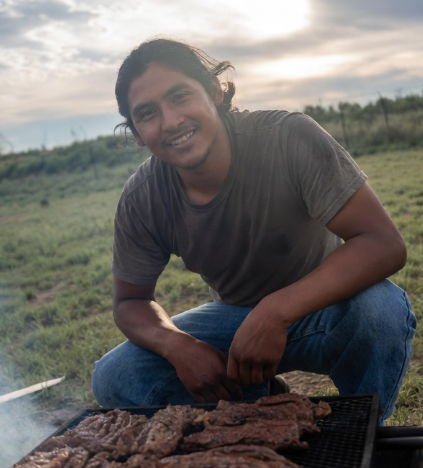
By March 2031. Kai called me from Vermont with news that seemed to contain a question he was trying not to ask directly: he was thinking about coming home to Oklahoma after graduation in May 2033. He said he loved Vermont and had learned everything it had to teach him, but that the work he wanted to do was here. The food forests, the traditional agriculture, the Elohi Foods network that Hannah was building—that was the context that matched what he'd been training for.
I said: you know the land will be here. He said: I know. He said: I want to work with you. I said: that's not a question. He said: I know, I just wanted to say it. I said: say it again when you're back in May 2033. He laughed and said he would.
Sarah was still in the picture—he mentioned her in passing and didn't make anything of it, which was Kai's method when something mattered. I didn't make anything of it either. We were both good at giving each other room with the things that were developing.
The traditional foods curriculum meeting at the vocational center happened in March. I sat with the program director and we talked about what a full curriculum would look like over twelve weeks: plant knowledge, food preparation, sourcing and wild food harvesting, the cultural and historical context, and a hands-on component at an actual land site. I said I had a land site. She said she'd been hoping I'd say that. We agreed on a structure by the end of the meeting. The first cohort would begin in September 2031. Twelve students, two days a week. It was the right scale to start with.
After that curriculum meeting — sitting with the program director and sketching out twelve weeks of plant knowledge and food preparation and hands-on land work — I came home and made this. Yellow squash and tomatoes is one of those dishes I keep returning to when something has just clicked into place: it’s unhurried, it’s honest, and it asks you to pay attention to what the land actually gives you rather than what you’d like it to give you. It felt right for the season we’re moving into — Kai coming home, the first cohort of students arriving in September, the work finally taking its full shape.
Yellow Squash and Tomatoes
Prep Time: 10 minutes | Cook Time: 20 minutes | Total Time: 30 minutes | Servings: 4
Ingredients
- 3 medium yellow squash, sliced into 1/4-inch rounds
- 2 medium ripe tomatoes, chopped
- 1 small yellow onion, thinly sliced
- 2 cloves garlic, minced
- 2 tablespoons olive oil or butter
- 1/2 teaspoon salt, or to taste
- 1/4 teaspoon black pepper
- 1/4 teaspoon dried thyme or fresh thyme leaves
- Fresh basil or parsley for garnish (optional)
Instructions
- Warm the pan. Heat olive oil or butter in a wide skillet over medium heat until shimmering but not smoking.
- Soften the onion. Add the sliced onion and cook, stirring occasionally, for 4–5 minutes until softened and translucent.
- Add garlic. Stir in the minced garlic and cook for 30 seconds until fragrant.
- Cook the squash. Add the yellow squash rounds in a single layer as much as possible. Cook for 5–6 minutes, turning once, until just tender and lightly golden at the edges.
- Add tomatoes and season. Stir in the chopped tomatoes, salt, pepper, and thyme. Cook for another 6–8 minutes, stirring gently, until the tomatoes have broken down into a light sauce and everything is well combined.
- Taste and finish. Adjust seasoning as needed. Remove from heat and garnish with fresh basil or parsley if using. Serve warm as a side dish or over rice.
Nutrition (per serving)
Calories: 95 | Protein: 2g | Fat: 7g | Carbs: 8g | Fiber: 2g | Sodium: 300mg